“it is easy to forgive a small child afraid of the dark, but not a full-grown man afraid of the light.”

Showing posts with label eyes. Show all posts

Monday, November 16, 2009

TRACHOMA

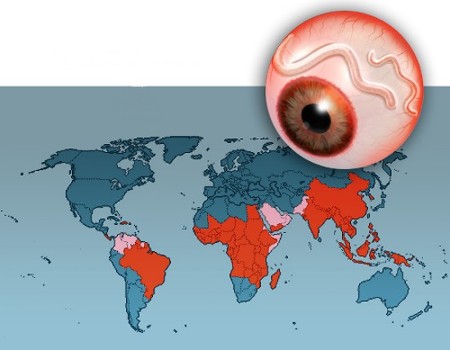
Disease: Trachoma affects about 84 million people worldwide, mostly in developing countries and populations marked by poverty, crowded living conditions, and/or poor hygiene. Trachoma is an infectious disease caused by the microorganism Chlamydia trachomatis. The symptons may include a cloudy cornea, discharge from the eye, swelling of the lymph nodes just in front of the ears, swollen eyelids, and turned-in eyelashes. After years of repeated infection, the inside of the eyelid may be scarred so severely that the eyelid turns inward and the lashes rub on the eyeball, scarring the cornea (the front of the eye).
How it's spread: Trachoma is spread through direct contact with eye (also nose and throat) discharge from an infected person or through contact with infected items such as towels, handkerchiefs, clothes, fingers, etc. The disease can also be spread through transmission by eye-seeking flies.
Effects: If untreated, this condition leads to the formation of irreversible corneal opacities and blindness. At present, it is responsible for more than 3% of the world’s blindness. The socioeconomic effects are endless, with the disease increasing the population of disabled residents in communities who cannot work and must be taken care of, stretching already minimal resources.
Cure: Trachoma is easily treatable. Antibiotics can prevent long-term complications if began in the early stages of the infection. The antibiotics include erythromycin and doxycycline. Occasionally, eyelid surgery may be needed to prevent long-term scarring.
Recent News about Trachoma:
New Study Confirms that Toilets Save Eyesight
A Shamed Nation Turns a Blind Eye
Racing to Save the Eyesight of 84 Million People
If YOU want to help do something about Trachoma, YOU can support these organizations:
International Trachoma Initiative
The Carter Center
The Eye Foundation


Tuesday, September 22, 2009

VITAMIN A DEFICIENCY

Condition: Vitamin A deficiency (VAD) is an issue in over half of all countries, especially countries in Southeast Asia and Africa. Pregnant women and children are primarily affected. The condition causes blindness and in many instances, death. Other results of Vitamin A deficiency include itchy dry skin, dry hair and a decreased resistance to infections.
Causes: Obviously, a lack of Vitamin A in one's diet is the primary cause of Vitamin A deficiency. The micronutrient is found in high quantities in foods that come from animals (liver, eggs, dairy products) and in many fresh fruits and vegetables. In many parts of the world, due to poverty or environmental issues, people have limited access to food at all, much less Vitamin A rich foods.
Effects: One of the tell-tale signs of Vitamin A deficiency is night blindness. This is because Vitamin A aides in the production of rhodopsin, an eye pigment responsible for seeing in low light
situations. If left untreated, Vitamin A deficiency can progress to complete blindness. In addition, in both children and pregnant women, Vitamin A deficiency increases susceptibility to infections and the body's ability to fight them. Therefore, people affected by this condition have very high mortality rates. In fact, it is estimated that up to 500,000 children go blind each year due to Vitamin A deficiency, and over half of those children die within a year of losing their sight.
Treatment: In order to be effective, there have to be both long and short term treatments for Vitamin A deficiency. First, for people already affected, Vitamin A supplements are necessary twice per year. Each dose costs about $0.02. Next, food fortification (adding Vitamin A to certain foods) has proved very effective. Finally, promoting dietary diversification is important. Encouraging people in rural areas to grow their own Vitamin A rich food is a great way to prevent Vitamin A deficiency in the long run. Many global organizations have
launched efforts against the condition and it is hoped to be eliminated by 2010.
Recent News about Vitamin A Deficiency:
Canadian Investments Lead to World VAD Decline
Helen Keller International Recieves Award for VAD 'Vision'

If YOU want to do something about Vitamin A Deficiency, YOU can support these organizations:
Helen Keller International
Vitamin Angels
UNICEF
Global Alliance for Improved Nutrition (GAIN)

Wednesday, September 2, 2009

DENGUE FEVER

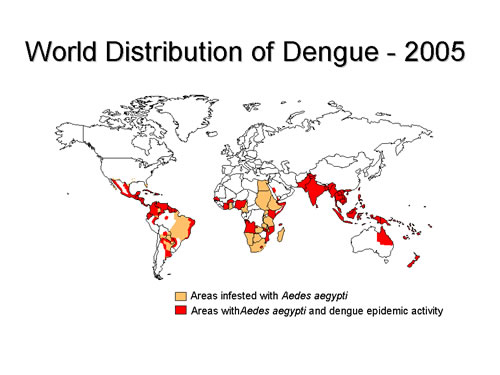
Condition: Dengue fever, an infection that causes flu-like symptoms in its victims, is spread by the bite of the Aedes mosquito. There are an estimated 50 million infections each year. It is most
prevalent in sub-tropical regions, especially in South-east Asia and the Western Pacific. Dengue haemorrhagic fever is a more dangerous, often fatal form of dengue fever. In some Asian countries, dengue haemorrhagic fever is the leading cause of serious illness and death
in children.
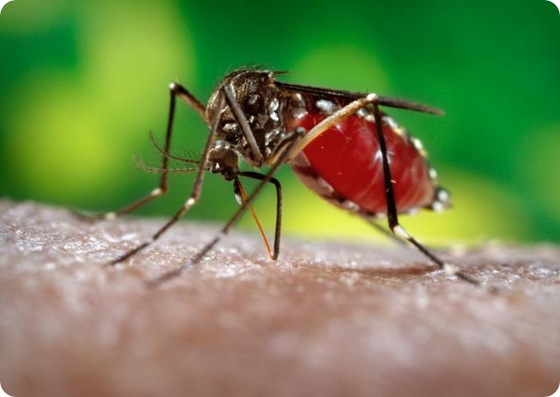
Causes: Dengue fever is spread by the bite of the Aedes mosquito. The mosquito becomes infected with the virus by biting an infected human. Once infected, the mosquito is capable of transmitting the virus to humans for the rest of its life. It may also pass the virus down to it's offspring. The virus cannot be spread form human to human.
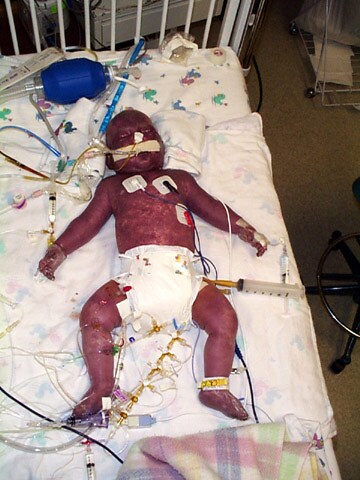
Effects: Dengue fever causes flu-like symptoms in its victims. High fever, headaches, pain behind the eyes, muscle and joint pains, stomach pains, vomiting and rash are common. Symptoms usually subside within one week. However, symptoms of dengue haemorrhagic fever are more severe and can lead to liver enlargement and circulatory failure. Without treatment, victims can die within 24 hours.
Treatment: Since dengue fever is a virus, there is no specific treatment. No drug can cure it, but symptoms can be managed. In the case of dengue haemorrhagic fever, hospitalization is imperative so that doctors may maintain the patient's circulating fluid volume. Since treatment of the virus is so difficult, prevention is the most useful weapon. People in endemic regions can use preventative measures such as using mosquito nets and avoiding standing water (mosquito breeding ground). In addition, chemical vector control methods have proved effective.
Recent News about Dengue Fever:
Experts Seek Ways to Fight Dengue Fever in Asia
Scientific Global Symposium on Dengue Fever Held in Philippines
Dengue Fever Cases Rise to 24,857 in Sri Lanka
First Human Trials for Recombinant Dengue Fever Vaccine

If YOU want to do something about Dengue Fever, YOU can support these organizations:
International Vaccine Institute (Pediatric Dengue Vaccine Initiative)

Wednesday, August 5, 2009

RIVER BLINDNESS


young children leading blind adults.

Disease: Onchocerciasis, more commonly known as River Blindness, is one of the leading causes of preventable blindness in the world. It is an infection caused by a parasitic worm, and it is spread through the bite of the black fly. There are currently 37 million people infected with the parasite, and 99% of those people live in sub-Saharan Africa.
How it's spread: As the black fly (the vector) bites an infected person, the worms travel from the infected person to the body of the fly. The black fly then bites another person, and the worms travel from the fly to the second person. A person must be bitten more than once, however, to contract the infection. Once inside the body, the worms mate and create millions of offspring, which invade various parts of the body, including the eyes. As the offspring die off, the body has an inflammatory response. On the skin, this response causes severe rashes, and in the eyes, it causes blindness.
Effects: The social and economic effects of this infection are tremendous. Adults are unable to work because of visual impairment, and children are unable to go to school because they must help their parents. The cycle of poor education, poverty, and bad health continues, and entire communities ultimately suffer.
Cure: One dose per year of a drug called Ivermectin prevents the worms from reproducing in the body, and thus prevents the onset of symptoms and further transmission. The drug company Merck currently donates doses of the drug in many countries. To date, they have donated over 600 million doses. Although the treatment is so simple and economical, millions of people continue to suffer.
Recent news about River Blindness:
River Blindness Can Be Eradicated
River Blindness Can Be Stopped by Drugs

If YOU want to help do something about River Blindness, YOU can support these organizations:
The Carter Center
Helen Keller International (be sure to type in “Onchocerciasis” in the "Program to Support" field)
Living Water International