“it is easy to forgive a small child afraid of the dark, but not a full-grown man afraid of the light.”

Showing posts with label children. Show all posts

Friday, November 20, 2009

some light in the news

AIDS, malaria eclipse the biggest child-killers
By MARGIE MASON (AP) – 19 hours ago

HANOI, Vietnam — Diarrhea doesn't make headlines. Nor does pneumonia. AIDS and malaria tend to get most of the attention.

Yet even though cheap tools could prevent and cure both diseases, they kill an estimated 3.5 million kids under 5 each a year globally — more than HIV and malaria combined.

"They have been neglected, because donor or partnership mechanisms shifted their emphasis to HIV and AIDS and other issues," said Dr. Tesfaye Shiferaw, a UNICEF official in Africa. "These age-old traditional killers remain with us. The ones dying are the children of the poor."

Global spending on maternal, newborn and child health was about $3.5 billion in 2006, according to a report by the Bill & Melinda Gates Foundation. That same year, nearly $9 billion was devoted to HIV and AIDS, according to UNAIDS.

Pneumonia is the biggest killer of children under 5, claiming more then 2 million lives annually or about 20 percent of all child deaths. AIDS, in contrast, accounts for about 2 percent.

If identified early, pneumonia can be treated with inexpensive antibiotics. Yet UNICEF and the World Health Organization estimate less than 20 percent of those sickened receive the drugs.

A vaccine has been available since 2000 but has not yet reached many children in developing countries. The GAVI Alliance, a global partnership, hopes to introduce it to 42 countries by 2015.

Diarrheal diseases, such as cholera and rotavirus, kill 1.5 million kids each year, most under 2 years old. The children die from dehydration, weakened immune systems and malnutrition. Often they get sick from drinking dirty water.

The worst cholera outbreak to hit Africa in 15 years killed more than 4,000 people in Zimbabwe last year. The country recently reported new cases of the waterborne disease, and more are expected as the rainy season peaks and sewers overflow.

Rotavirus, a highly contagious disease spread through contaminated hands and surfaces, is the top cause of severe diarrhea, accounting for more than a half million child deaths a year.

A vaccine routinely given to children in the U.S. and Europe is expected to reach 44 poorer countries by 2015 through the GAVI Alliance.

"Every child in the United States gets it, even though they have access to clean water and hygiene," said John Wecker, of the Program for Appropriate Technology in Health, a Seattle-based nonprofit that is part of the vaccine alliance. "The only effective way to prevent these deaths is through vaccination."

Diarrheal diseases received more attention in the 1980s and 1990s, he said, but interest has waned or been diverted elsewhere, allowing them to creep back.

"How did the leading killers end up at the bottom of the global health agenda? I don't know," Wecker said at a recent GAVI meeting in Hanoi. "We've got the tools. We're not looking for the next technological breakthrough. It's here now and it's not being used."

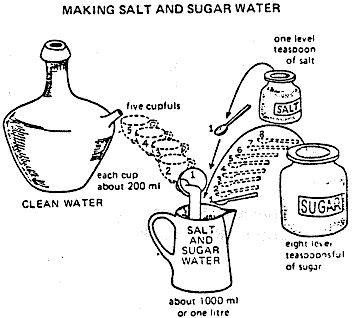
Death can often be prevented by giving children fluid replacement, a simple recipe of salt and sugar mixed with clean water to help ward off dehydration. Yet 60 percent of children with diarrhea never receive the concoction, according to a WHO and UNICEF report released last month.

"It is so preventable," said Dr. Richard Cash, a Harvard University expert who helped develop the oral rehydration therapy 40 years ago. "Preventing the deaths is at the very least what we should be striving for."

Sunday, October 4, 2009

FEMALE GENITAL MUTILATION


Condition: Female genital mutilation (FGM) is the process of intentionally altering, injuring, or removing female genital organs without medical cause. It is usually done as part of social, cultural, or religious traditions and occurs most frequently in Africa and parts of Asia. Currently, there are 100 - 150 million women and girls living with the effects of FGM, and an estimated 3 million girls are at risk annually (most are under the age of 15). The procedures are recognized internationally as human rights violations, but the practice continues.
Four Types: FGM is classified into four types:
1. Clitoridectomy: partial or total removal of the clitoris (a small, sensitive and erectile part of the female genitals) and, rarely, the prepuce (the fold of skin surrounding the clitoris) as well.
2. Excision: partial or total removal of the clitoris and the labia minora, with or without excision of the labia majora (the labia are "the lips" that surround the vagina).
3. Infibulation: narrowing of the vaginal opening through the creation of a covering seal. The seal is formed by cutting and repositioning the inner, and sometimes outer, labia, with or without removal of the clitoris.
4. Other: all other harmful procedures to the female genitalia for non-medical purposes, e.g. pricking, piercing, incising, scraping and cauterizing the genital area.
Causes: As stated before, social, cultural, and less commonly, religious traditions are the primary causes of FGM. In many cultures the process is seen as a rite of passage into womanhood, and is thought to be necessary for a woman to desirable for marriage. Beliefs about proper sexual behavior for women also influence the practice. In the case of infibulation, the vagina is surgically shut to prevent a woman from engaging in premarital sex. Many of the procedures prevent any sort of sexual pleasure for women as well. Clearly, the inferior role of women in society is a major contributing factor. It is difficult to dissect and completely understand the exact causes however. In many cases female professionals perform the procedure, and it can be traced back to ancient Egypt.
Effects: Extreme pain, shock, profuse bleeding, bacterial infection, and open sores are immediate effects of FGM. The long term effects include recurrent bladder and urinary tract infections, cysts, infertility, and increased risk of childbirth complications.
Response: It is difficult to completely condemn FGM, as it is an integral part of many cultures. However, many international organizations, including the WHO, UNICEF, and various non-governmental organizations have launched efforts to end the practice for reasons relating to both health and human rights. In recent years, several African countries have passed laws banning the practice. Despite these laws, FGM continues to be practiced, and the rights of these women continue to be violated.
Recent News about Female Genital Mutilation:
Australia Mulls Kenyan Women's Circumcision Case
Sweden, Denmark, Norway Fight to Stop FGM
FGM Requiring 'Cultural Sensitivity
Circumcision - Above the Law

If YOU want to do something about FGM, YOU can support these organizations:
Equality Now
Forward

Tuesday, September 22, 2009

VITAMIN A DEFICIENCY

Condition: Vitamin A deficiency (VAD) is an issue in over half of all countries, especially countries in Southeast Asia and Africa. Pregnant women and children are primarily affected. The condition causes blindness and in many instances, death. Other results of Vitamin A deficiency include itchy dry skin, dry hair and a decreased resistance to infections.
Causes: Obviously, a lack of Vitamin A in one's diet is the primary cause of Vitamin A deficiency. The micronutrient is found in high quantities in foods that come from animals (liver, eggs, dairy products) and in many fresh fruits and vegetables. In many parts of the world, due to poverty or environmental issues, people have limited access to food at all, much less Vitamin A rich foods.
Effects: One of the tell-tale signs of Vitamin A deficiency is night blindness. This is because Vitamin A aides in the production of rhodopsin, an eye pigment responsible for seeing in low light
situations. If left untreated, Vitamin A deficiency can progress to complete blindness. In addition, in both children and pregnant women, Vitamin A deficiency increases susceptibility to infections and the body's ability to fight them. Therefore, people affected by this condition have very high mortality rates. In fact, it is estimated that up to 500,000 children go blind each year due to Vitamin A deficiency, and over half of those children die within a year of losing their sight.
Treatment: In order to be effective, there have to be both long and short term treatments for Vitamin A deficiency. First, for people already affected, Vitamin A supplements are necessary twice per year. Each dose costs about $0.02. Next, food fortification (adding Vitamin A to certain foods) has proved very effective. Finally, promoting dietary diversification is important. Encouraging people in rural areas to grow their own Vitamin A rich food is a great way to prevent Vitamin A deficiency in the long run. Many global organizations have
launched efforts against the condition and it is hoped to be eliminated by 2010.
Recent News about Vitamin A Deficiency:
Canadian Investments Lead to World VAD Decline
Helen Keller International Recieves Award for VAD 'Vision'

If YOU want to do something about Vitamin A Deficiency, YOU can support these organizations:
Helen Keller International
Vitamin Angels
UNICEF
Global Alliance for Improved Nutrition (GAIN)

Wednesday, September 2, 2009

DENGUE FEVER

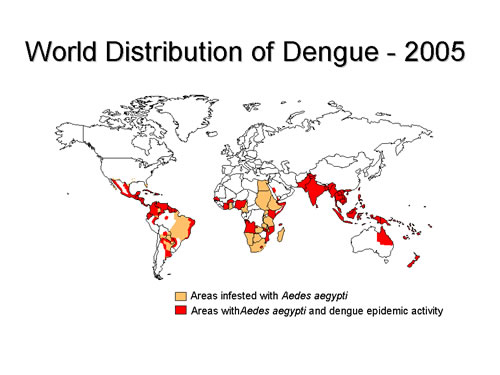
Condition: Dengue fever, an infection that causes flu-like symptoms in its victims, is spread by the bite of the Aedes mosquito. There are an estimated 50 million infections each year. It is most
prevalent in sub-tropical regions, especially in South-east Asia and the Western Pacific. Dengue haemorrhagic fever is a more dangerous, often fatal form of dengue fever. In some Asian countries, dengue haemorrhagic fever is the leading cause of serious illness and death
in children.
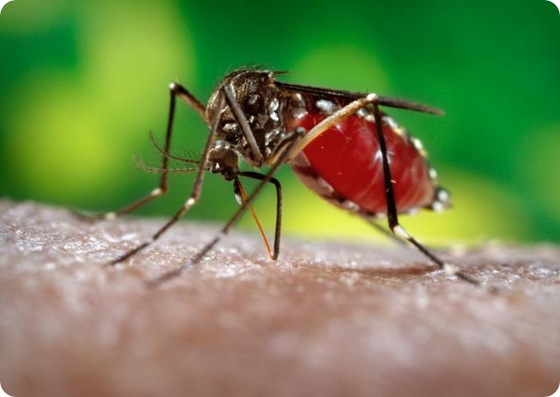
Causes: Dengue fever is spread by the bite of the Aedes mosquito. The mosquito becomes infected with the virus by biting an infected human. Once infected, the mosquito is capable of transmitting the virus to humans for the rest of its life. It may also pass the virus down to it's offspring. The virus cannot be spread form human to human.
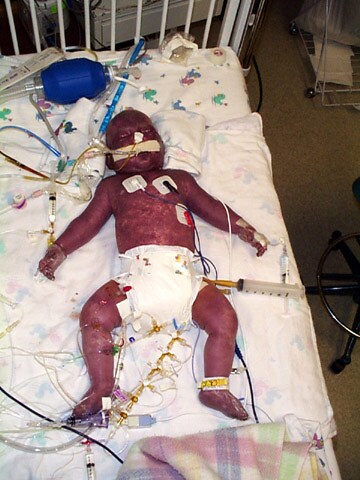
Effects: Dengue fever causes flu-like symptoms in its victims. High fever, headaches, pain behind the eyes, muscle and joint pains, stomach pains, vomiting and rash are common. Symptoms usually subside within one week. However, symptoms of dengue haemorrhagic fever are more severe and can lead to liver enlargement and circulatory failure. Without treatment, victims can die within 24 hours.
Treatment: Since dengue fever is a virus, there is no specific treatment. No drug can cure it, but symptoms can be managed. In the case of dengue haemorrhagic fever, hospitalization is imperative so that doctors may maintain the patient's circulating fluid volume. Since treatment of the virus is so difficult, prevention is the most useful weapon. People in endemic regions can use preventative measures such as using mosquito nets and avoiding standing water (mosquito breeding ground). In addition, chemical vector control methods have proved effective.
Recent News about Dengue Fever:
Experts Seek Ways to Fight Dengue Fever in Asia
Scientific Global Symposium on Dengue Fever Held in Philippines
Dengue Fever Cases Rise to 24,857 in Sri Lanka
First Human Trials for Recombinant Dengue Fever Vaccine

If YOU want to do something about Dengue Fever, YOU can support these organizations:
International Vaccine Institute (Pediatric Dengue Vaccine Initiative)

Thursday, August 20, 2009

DIARRHEA

Condition: Diarrhea. Believe it or not, diarrhea causes over 2 million deaths per year. It is the second leading cause of death in children worldwide. Diarrhea is dangerous because it causes dehydration, an often fatal condition. It is most common in Southeast Asia and in Africa.
Causes: Diarrhea is caused by viral infections, parasites, or bacteria. These microorganisms are spread primarily through contaminated drinking water. Poor personal and food hygiene, lack of access to sanitation facilities, and lack of basic health education propagate the spread of the condition. Poverty is a major social factor that contributes to the spread of diarrhea, as it is most common in the developing world.
Effects: Dehydration is the most dangerous effect of diarrhea. When a person has frequent, loose bowel movements, they lose water, along with other important nutrients. Symptoms of dehydration include lethargy, headaches, decreased blood pressure, sunken eyes, wrinkled skin, and dimmed vision. Eventually, it is fatal.
Treatment: Obviously, the most effective treatment for diarrhea would be prevention. However, in many parts of the world where access to clean water is scarce, complete prevention would be nearly impossible. However, when a person is suffering from dehydration, the treatment is simple. It is called oral re-hydration therapy (ORT), and it consists of a pinch of salt, a handful of sugar, and a liter of water. In addition, zinc tablets have recently been found to play a significant role in treating diarrhea. Although prevention would be ideal, zinc, coupled with ORT, is an extremely cheap, simple, and effective treatment for diarrhea and subsequent dehydration. The cost is less than $0.30 per child, yet millions of children continue to die from this condition every year.

Recent News about Diarrhea
:
Can One Pill Tame the Illness No One Wants to Talk About?
Diarrhea Death Toll Reaches 58 in Just One District in Nepal
Diarrhea, Still 2nd Leading Cause of Death Among Children

If YOU want to do something about Diarrhea, YOU can support these organizations:
Save the Children
Bill & Melinda Gates Foundation
U.S. Agency for International Development
Living Water International